Trace mineral selection impacts every stage of livestock production. Formulating optimal animal diets requires balancing nutrient bioavailability, premix stability, and ingredient cost. Zinc remains critical for immune function, rapid growth, and hoof integrity. Soluble inorganic options often degrade sensitive vitamins in complex premixes. They might also introduce dangerous heavy metal impurities into the food chain. This forces feed mill managers to rethink their overall mineral strategy. You need a reliable solution optimizing both feed safety and nutritional delivery. We will explore the ongoing transition from traditional baseline minerals to highly stable alternatives. You will understand the crucial differences between the industry standard, zinc sulfate, and its increasingly adopted counterpart. Discover how selecting the appropriate inorganic compound improves feed manufacturing efficiency. You will learn to navigate the complexities of mineral supplementation to maximize animal performance.
Key Takeaways
Bioavailability: Both sources offer high biological availability, but their absorption mechanisms differ (water solubility vs. gastric acid solubility).
Premix Stability: Feed grade zinc carbonate is significantly less reactive in mineral-vitamin premixes compared to zinc sulfate, reducing vitamin degradation and clumping.
Safety & Compliance: Basic zinc carbonate often presents a cleaner heavy metal profile (lower cadmium and lead), critical for stringent regulatory markets (e.g., EU limits) and premium pet foods.
Cost-to-Value: Zinc sulfate typically has a lower initial cost per unit of zinc, but zinc carbonate can lower total formulation costs by extending premix shelf life and reducing the need for vitamin overages.
The Role of Zinc Sources in Animal Feed: Framing the Formulation Challenge
Zinc supplementation remains non-negotiable in commercial agriculture and companion animal diets. It serves as a foundational element for keratin production. Animals rely on it for structural integrity in hooves, skin, and fur. It also drives the synthesis of over 300 metalloenzymes necessary for digestion and metabolic function. An unsupplemented diet quickly leads to severe deficiency symptoms. You will observe reduced feed intake, lethargy, and compromised immune responses. We must provide reliable zinc sources in animal feed to sustain profitable production cycles.
The industry currently faces a dilemma regarding inorganic zinc. Formulators recognize the distinct benefits of organic or chelated trace minerals. However, inorganic zinc sources remain the economic backbone of commercial feed manufacturing. Operations producing millions of tons of feed annually require scalable, cost-effective solutions. You cannot entirely replace inorganic minerals with expensive organic chelates without drastically inflating diet costs. Feed mills must instead optimize their inorganic mineral selections.
Two primary contenders dominate the inorganic zinc landscape. Understanding their distinct chemical profiles helps formulators make accurate decisions.
Zinc Sulfate (ZnSO4): This compound serves as the long-standing industry standard. It features extremely high water solubility. It delivers a rapid influx of zinc ions into the digestive tract.
Basic Zinc Carbonate (Zn5(CO3)2(OH)6): This represents a stable, premium inorganic option. It remains completely insoluble in water. It dissolves readily only in acidic environments, offering targeted release.
Zinc Sulfate: Advantages and Limitations in Commercial Feed
Zinc sulfate holds a dominant position in the global feed market. Feed mills favor it due to decades of historical data. Academic institutions possess vast repositories of research validating its efficacy across multiple species. It enjoys universal industry acceptance. Procurement teams appreciate its widespread availability. It typically represents the lowest cost per metric ton of elemental zinc. Livestock species like poultry, swine, and cattle absorb it efficiently. It delivers high biological availability when incorporated into standard grain-based diets.
However, relying exclusively on this highly soluble compound introduces implementation risks. Formulators face significant handling drawbacks during production. The most prominent issue involves hygroscopicity. Zinc sulfate aggressively absorbs moisture from ambient air. This characteristic causes severe clumping during silo storage. Clumped minerals prevent even distribution during the mixing phase. Uneven feed distribution leads to inconsistent nutritional delivery across the flock or herd. You risk under-dosing some animals while over-dosing others.
High water solubility also triggers dangerous chemical reactivity inside the feed bag. Free zinc ions aggressively catalyze oxidation reactions. They destroy sensitive vitamins like Vitamin A and Vitamin E inside complex premixes. Formulators often attempt to counter this degradation by adding expensive vitamin overages. These overages artificially inflate formulation costs. Storing these volatile premixes in hot or humid climates accelerates the degradation process. You lose critical nutritional value long before the feed reaches the animal.
![Feed grade zinc carbonate powder]()
Feed Grade Zinc Carbonate: The High-Stability Alternative
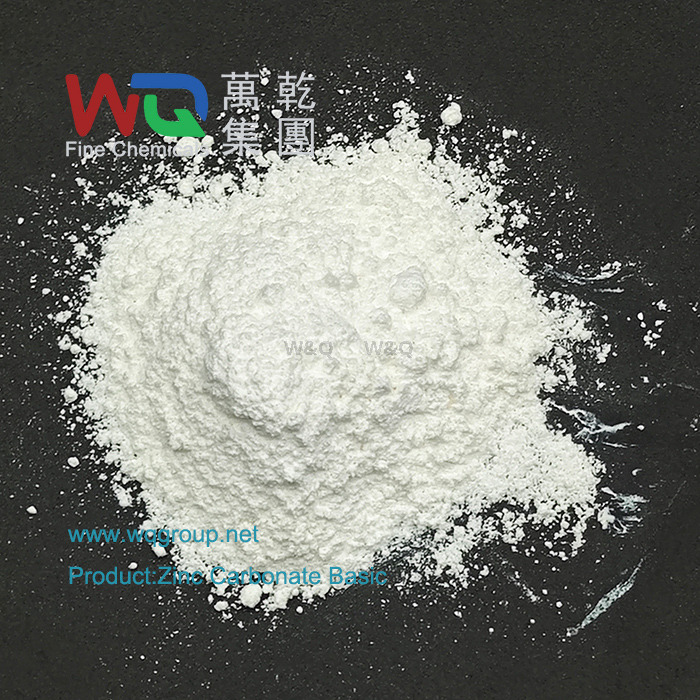
This alternative relies on a fascinating chemical trait known as the solubility paradox. It remains completely insoluble in neutral water. This prevents premature reactions inside the feed bag. It will not dissolve when exposed to ambient moisture or humidity. However, it rapidly dissociates in low-pH environments. When the animal consumes the feed, the mineral reaches the highly acidic stomach or proventriculus. Gastric acid breaks down the compound instantly. This targeted release mechanism yields excellent bioavailability matching traditional soluble salts.
This unique profile provides massive formulation advantages. The compound acts as an inert substance within complex mineral-vitamin premixes. It does not release free metal ions to catalyze oxidative damage. It protects fragile vitamins during prolonged storage. Formulators can safely reduce costly vitamin overages. You achieve a more predictable shelf life for the final feed product. Utilizing reliable feed grade zinc carbonate safeguards the entire nutritional matrix.
Handling quality improves dramatically on the production floor. The compound is fundamentally non-hygroscopic. It retains a free-flowing powder consistency regardless of warehouse humidity. Operators experience fewer equipment blockages. It guarantees consistent mixing homogeneity during rapid batch production. Additionally, it offers superior gastric tolerance. Soluble salts can irritate the gastrointestinal lining in young or sensitive animals. The gradual, acid-driven dissolution of this alternative proves far gentler on the gut mucosa.
Head-to-Head Evaluation: Zinc Sulfate vs Zinc Carbonate
Comparing actual animal uptake reveals tight performance margins. Feeding trials generally show the basic carbonate form performs equally to the sulfate form. In some specialized diets, it performs marginally better. Both effectively elevate blood serum zinc levels. Both support optimal weight gain and tissue repair.
Dietary antagonists heavily influence mineral absorption in the gut. Phytates present in corn and soybean meal bind aggressively to free zinc ions. Because soluble sulfates release ions early in the digestive tract, they often bind with phytates before absorption can occur. The acid-soluble alternative delays ion release. This slight delay often improves absorption efficiency in high-phytate or high-calcium diets. You bypass some of the early binding risks.
Evaluating zinc sulfate vs zinc carbonate requires looking beyond direct commodity prices. Hidden costs dictate true formulation economics. Vitamin oxidation losses quickly erode the savings of a cheaper mineral. Storage losses from clumped materials waste valuable inventory. Handling inefficiencies slow down mill throughput. You must account for the financial impact of degraded premixes when calculating your mineral strategy.
| Attribute | Zinc Sulfate Monohydrate | Basic Zinc Carbonate |
| Water Solubility | Extremely High | Insoluble |
| Gastric Acid Solubility | High | High |
| Premix Reactivity | High (Degrades vitamins) | Inert (Protects vitamins) |
| Hygroscopicity | High (Prone to clumping) | None (Free-flowing) |
| Elemental Zinc Content | ~35% | ~57% |
Regulatory compliance heavily influences mineral selection in modern agriculture. Feed safety standards grow stricter every year. The European Food Safety Authority (EFSA) enforces rigorous limits on heavy metal contamination. Basic carbonate forms often feature inherently lower levels of toxic trace elements. Production methods typically filter out cadmium, lead, and arsenic more effectively. This purity eases compliance burdens for international feed exporters.
Formulating for Your Target Species: Livestock vs. Pet Food
Livestock producers focus relentlessly on rapid growth and cost-efficiency. Profit margins remain tight in commercial swine and poultry operations. Zinc sulfate often dominates these high-volume sectors. Feed turns over rapidly, minimizing the duration of vitamin degradation. However, strategic substitutions occur frequently. Formulators often deploy zinc carbonate in high-value starter diets. Young piglets and chicks require highly stable, gentle mineral sources to prevent gastric distress. Summer formulations also utilize it heavily. Extreme heat and warehouse humidity threaten premix stability, demanding an inert mineral solution.
Companion animal nutrition operates under entirely different constraints. Premium pet food brands prioritize longevity, coat health, and absolute ingredient safety. Kibble must survive extended retail shelf life without oxidizing. Rancid fats or degraded vitamins destroy brand reputation instantly. The pet food industry increasingly favors stable, insoluble trace minerals.
Extrusion processes subject pet food to extreme heat and pressure. Inert minerals survive this process without catalyzing unwanted chemical reactions. Furthermore, pet owners demand strict heavy metal requirements. They scrutinize labels and safety data. Better gastric tolerance prevents vomiting or diarrhea in sensitive dog breeds. Extended shelf life ensures the kibble remains nutritionally complete from the factory to the consumer's pantry.
Shortlisting and Supplier Vetting: Avoiding Procurement Risks
Procurement teams must exercise extreme caution when sourcing trace minerals. You cannot substitute industrial-grade chemicals for animal nutrition products. Industrial sources often bypass purification steps. They contain dangerous toxin levels and offer unverified biological availability. You must secure materials explicitly manufactured and certified for feed applications.
Evaluating the Certificate of Analysis (CoA) serves as your primary defense against contamination. You must demand transparency from prospective suppliers.
Verify Zinc Concentration: Look for a guaranteed minimum zinc content. Basic carbonate compounds should deliver at least 57% elemental zinc. Sulfate monohydrate typically delivers around 35%.
Check Heavy Metal Screens: Demand explicit, batch-specific heavy metal testing data. Ensure cadmium, lead, and arsenic fall well below your regional regulatory limits.
Confirm Moisture Content: Ensure the product meets strict moisture thresholds to guarantee handling properties.
Supply chain resilience dictates long-term success. Assess the supplier's core manufacturing processes. Determine whether they utilize synthetic production methods or mined ore extraction. Synthetic processes often yield tighter batch-to-batch consistency. Mined sources might exhibit wider variances in heavy metal profiles. You must audit these processes to ensure consistent raw material quality.
Best Practices for Trace Mineral Procurement:
Request third-party laboratory validations for all heavy metal claims.
Conduct small-scale physical mixing tests to evaluate powder flowability.
Audit supplier facilities to confirm dedicated feed-grade manufacturing lines.
Common Mistakes to Avoid:
Purchasing based solely on per-ton price without calculating elemental zinc concentration.
Ignoring the financial impact of vitamin degradation in long-term premix storage.
Accepting generic CoAs rather than batch-specific analytical results.
Conclusion
There is no universal "best" mineral source. The correct decision rests entirely on your specific feed application and operational constraints. You must evaluate your storage environment, target species, and regulatory landscape. Balancing nutritional delivery against premix stability requires a nuanced approach to formulation.
Choose the highly soluble sulfate option for high-volume, cost-sensitive, rapid-turnover livestock feed. It delivers proven biological performance when premix shelf life remains short. Opt for the stable, basic carbonate alternative when formulating high-value premixes. It excels in premium pet foods and young animal starter diets. It provides essential protection when environmental humidity and heavy metal compliance threaten your final product quality.
Advise your procurement and formulation teams to collaborate closely. Run a small-scale premix stability test comparing both compounds under your specific warehouse conditions. Request detailed CoAs from prospective trace mineral suppliers today to benchmark heavy metal profiles against your internal safety standards.
FAQ
Q: Is zinc carbonate the same as organic or chelated zinc?
A: No. Zinc carbonate is an inorganic zinc source, but it often bridges the performance gap between standard inorganic salts (like sulfate) and high-cost organic chelates due to its stability.
Q: Why does water solubility matter in zinc sources in animal feed?
A: High water solubility (sulfate) leads to reactivity with moisture and vitamins in the feed bag. Low water solubility (carbonate) protects the feed structure until the mineral reaches the acidic stomach, where it is actually needed.
Q: Are there different grades of zinc carbonate?
A: Yes. Industrial grade, agricultural grade (fertilizers), and feed/pharmaceutical grades. Feed grade zinc carbonate undergoes rigorous purification to remove heavy metals like lead and cadmium to meet safety regulations.
Q: Can I completely replace zinc sulfate with zinc carbonate in my premix?
A: Yes, usually on a 1:1 basis of elemental zinc (accounting for the different zinc concentrations of each compound), but formulators should verify the impact on the total mineral balance.