Trace minerals play a critical role in modern livestock operations. You must choose the right chemical form for your flocks and herds. This specific choice dictates bioavailability and ultimately drives your feed return on investment. Formulators frequently struggle to balance upfront material costs against true nutrient absorption. Inferior mineral sources pass straight through the digestive tract. We recognize zinc sulfate monohydrate as a dominant industry standard today. It delivers exceptional cost-efficiency while maintaining consistently high absorption rates in the animal's gut. This article provides an objective framework for decision-making. Purchasing managers and animal nutritionists will learn how to evaluate zinc specifications properly. We will explore regulatory compliance, strict heavy metal limits, and tactical supplier verification methods. You will gain actionable insights to optimize your daily feed formulations.
Key Takeaways
Bioavailability: Zinc sulfate monohydrate offers superior water solubility and absorption compared to zinc oxide, directly impacting feed conversion ratios.
Grade Distinction: Substituting feed-grade zinc with industrial or agricultural grades introduces severe heavy metal contamination risks.
Compliance Baseline: Valid feed-grade sourcing requires strict adherence to regional (e.g., EFSA) heavy metal limits (Pb, Cd, As) and a minimum of 33% total zinc content.
Procurement Success: Evaluating particle size, flowability (anti-caking agents), and verifiable Certificates of Analysis (COAs) is critical for feed mill integration.
Evaluating Zinc Sulfate Monohydrate Against Alternative Zinc Feed Additives
Feed formulators face a distinct business challenge daily. They must balance the cost per unit of zinc against actual animal absorption rates. You cannot evaluate a trace mineral simply by looking at its price per ton. You must calculate the cost based on how much nutrient actually enters the animal's bloodstream. Excretion losses represent wasted money and environmental liability.
Comparison: Zinc Sulfate vs. Zinc Oxide
Zinc oxide often appears attractive on standard specification sheets. It contains a higher total zinc percentage by weight. However, zinc oxide features poor water solubility. Animals struggle to absorb it effectively. When we analyze absorption profiles, zinc sulfate monohydrate proves vastly superior in the digestive tract. We recommend conducting an objective cost-per-absorbed-unit evaluation. A highly bioavailable zinc feed additive yields better biological returns. You pay for the zinc your animals actually utilize.
Comparison: Monohydrate vs. Heptahydrate
Physical stability is another crucial operational factor. Zinc sulfate exists in different hydration states. The monohydrate form contains exactly one water molecule. This structure resists caking and moisture absorption during long-term storage. Conversely, the heptahydrate form carries seven water molecules. It readily absorbs ambient moisture. Heptahydrate clumps easily, causing blockages in automated feed mills. Monohydrate ensures excellent flowability. It keeps production lines running smoothly and reduces equipment maintenance.
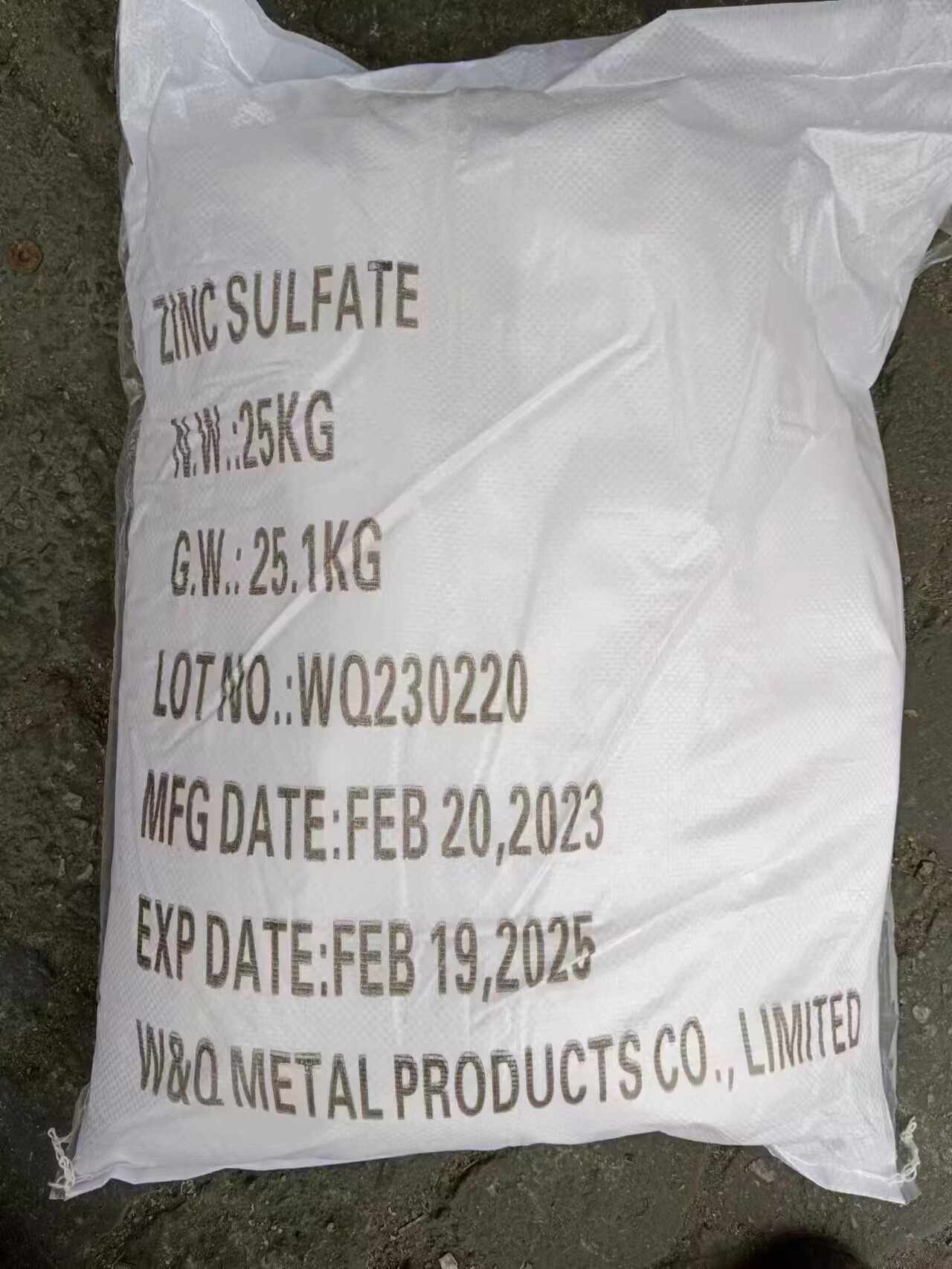
![Zinc sulfate monohydrate feed grade bags for animal nutrition]()
Measurable Benefits of this Zinc Supplement for Animals
Nutritionists must move past generic health claims. You need specific, measurable physiological outcomes backed by veterinary consensus. Proper zinc supplementation drives quantifiable results across all major livestock categories.
Poultry (Broilers and Layers)
Poultry operations rely heavily on proper trace mineral inclusion. Zinc directly influences several critical growth and production metrics in flocks.
Feathering and Skeletal Development: Broilers require abundant zinc to synthesize keratin for rapid feather growth. It also supports proper bone mineralization, preventing leg abnormalities.
Eggshell Thickness: Zinc activates carbonic anhydrase. This enzyme is essential for calcium deposition in layers. Adequate zinc ensures thicker, more resilient eggshells.
Footpad Dermatitis Mitigation: Stronger skin integrity reduces the incidence of footpad lesions. This improves animal welfare and yields better paw grading at processing.
Swine (Piglets to Sows)
Swine derive immense benefits from a bioavailable zinc supplement for animals. Post-weaning stress often compromises piglet health. Zinc tightens cellular junctions in the intestinal lining. This fortified barrier improves overall gut health. A robust gut prevents pathogens from entering the bloodstream. Consequently, operations see stronger immune responses and significant reductions in weaning diarrhea prevalence. Healthy piglets transition faster to solid feed, improving daily weight gains.
Ruminants (Dairy and Beef Cattle)
Dairy and beef producers utilize zinc to solve costly physiological issues. Hoof integrity relies on heavily keratinized tissue. Zinc deficiency leads to soft hooves and increased lameness. Supplementation hardens the hoof horn. In dairy production, optimal zinc levels reduce somatic cell counts. Lower counts indicate reduced udder inflammation and better milk quality. Furthermore, trace minerals stabilize microbial fermentation in the rumen. Microbes need zinc to break down complex carbohydrates efficiently.
Zinc Sulfate Monohydrate Feed Grade vs. Industrial and Agricultural Grades
Procurement teams sometimes face pressure to cut costs by exploring alternative grades. We must educate buyers on the fatal risks of grade-swapping. Selecting the wrong grade introduces catastrophic liabilities.
The Defining Difference
The core difference lies far beyond the mere zinc percentage. The distinction centers on strict purification processes. Manufacturers must aggressively remove toxic byproducts during production. Industrial processes do not utilize these expensive purification steps. They leave dangerous contaminants intact.
Industrial/Agricultural Grade Risks
Industrial zinc often originates from recycled galvanizing waste or tire manufacturing byproducts. These secondary sources contain heavily elevated levels of lead, cadmium, and dioxins. Feeding industrial or agricultural grades to livestock is extremely dangerous. Animals bioaccumulate these toxins in their liver and muscle tissues. These toxins eventually enter the human food chain. The legal and physiological consequences are severe. Meat recalls, destroyed brand trust, and massive lawsuits quickly follow such negligence. You must strictly source zinc sulfate monohydrate feed grade to ensure safety.
The "Pharmaceutical Grade" Overkill
Some formulators ask about pharmaceutical-grade zinc. While exceptionally pure, pharma-grade minerals are unnecessarily costly. They offer no additional physiological benefit for standard feed applications. Feed grade represents the optimal commercial standard. It balances rigorous safety requirements with viable economic pricing.
Quality Requirements and Regulatory Compliance (EFSA & Industry Standards)
You need a concrete evaluation lens for reviewing supplier specification sheets. Industry-standard thresholds protect your animals and your business. Always reference established frameworks like European Food Safety Authority (EFSA) guidelines.
Core Nutritional Parameters
The primary nutritional indicator is the target zinc content. The standard market expectation sits at ≥ 33% total zinc. Any product falling below this threshold usually contains excessive moisture or unwanted filler materials.
Heavy Metal Maximum Limits
Heavy metal compliance forms the foundation of supplier trust. Buyers must look for specific maximum limits on every Certificate of Analysis (COA). Below is a strict checklist based on standard safety guidelines:
Lead (Pb): Strict maximum parts-per-million (ppm) limits prevent neurological toxicity in herds.
Cadmium (Cd): Critical toxicity thresholds must be enforced to protect kidney function and prevent meat residue violations.
Arsenic (As): Maximum allowable limits are necessary to avoid metabolic disruption and systemic poisoning.
The table below summarizes typical feed-grade purity expectations:
| Parameter | Standard Specification | Primary Safety Impact |
| Total Zinc (Zn) | ≥ 33.0% | Ensures baseline nutritional efficacy |
| Lead (Pb) | ≤ 10 ppm | Prevents neurological damage and tissue residue |
| Cadmium (Cd) | ≤ 2 ppm | Protects renal health and human food chain |
| Arsenic (As) | ≤ 5 ppm | Avoids cellular toxicity and metabolic failure |
Physical Properties
Evaluate the physical properties carefully. The appearance should be a clean, white, free-flowing powder. Discoloration often indicates poor purification. Test the solubility indicators. High-quality zinc sulfate dissolves completely in water, leaving no gritty residue. The pH level of a standard solution should remain mildly acidic, ensuring stability in premixes.
Procurement Shortlisting: Implementation Risks and Supplier Evaluation
Arm yourself with tactical questions before signing any supply contracts. The cheapest quote often hides expensive operational problems. You must evaluate physical integration and audit compliance rigorously.
Evaluating Flowability and Milling Integration
Particle size directly dictates mixing uniformity. Ask your supplier for their mesh standard. Consistent particle distribution prevents nutrient segregation in the final feed matrix. Uniform mixing guarantees every animal receives the correct dosage. Furthermore, address the necessity of anti-caking agents. High-humidity storage environments cause raw materials to clump. Free-flowing properties reduce manual labor and prevent costly equipment jams.
Audit Checklists for Buyers
Do not rely solely on supplier promises. Enforce a strict audit protocol for every new vendor.
Mandatory third-party testing: Demand batch-specific COAs verified by independent, accredited laboratories. Internal lab results hold less weight.
Traceability of raw materials: Ask about material origins. Determine if they use primary zinc ore or secondary recycled materials. Primary ore carries far less heavy metal risk.
Facility certifications: Verify active FAMI-QS or ISO 22000 certifications. These frameworks prove the manufacturing facility follows rigorous feed safety management protocols.
Conclusion
Selecting the right zinc feed additive represents a strategic operational decision. It is never just a simple line-item expense. The chemical form you choose impacts growth rates, disease resistance, and ultimate profitability. Verifying heavy metal compliance protects animal health. Ensuring physical stability through the monohydrate format protects your manufacturing efficiency.
Your next steps require decisive action. Encourage your procurement team to request physical samples from shortlisted vendors. Cross-reference their supplied COAs with your own independent lab tests. Finally, conduct small-batch mixing trials to confirm flowability under your specific mill conditions. Rigorous evaluation guarantees long-term operational success.
FAQ
Q: What is the standard dosage of zinc sulfate monohydrate in poultry feed?
A: Standard inclusion rates typically range from 60 to 100 mg of supplemental zinc per kg of complete feed. However, exact formulations depend entirely on local regulatory limits and the baseline zinc levels already present in your primary diet ingredients. Always consult a certified nutritionist.
Q: How long is the shelf life of feed-grade zinc sulfate monohydrate?
A: High-quality monohydrate products typically offer a 24-month shelf life. You must store the bags correctly in cool, dry conditions. Strict moisture control prevents caking and preserves the free-flowing characteristics necessary for automated feed milling equipment.
Q: Does zinc sulfate interact negatively with phytase enzymes in feed?
A: Free zinc ions can occasionally bind to phytate molecules or interact with exogenous phytase enzymes in the gut. While highly soluble zinc sulfate releases ions quickly, standard industry phytase dosing usually accounts for trace mineral interactions. Proper formulation timing and advanced enzyme coatings minimize these minor negative interactions.