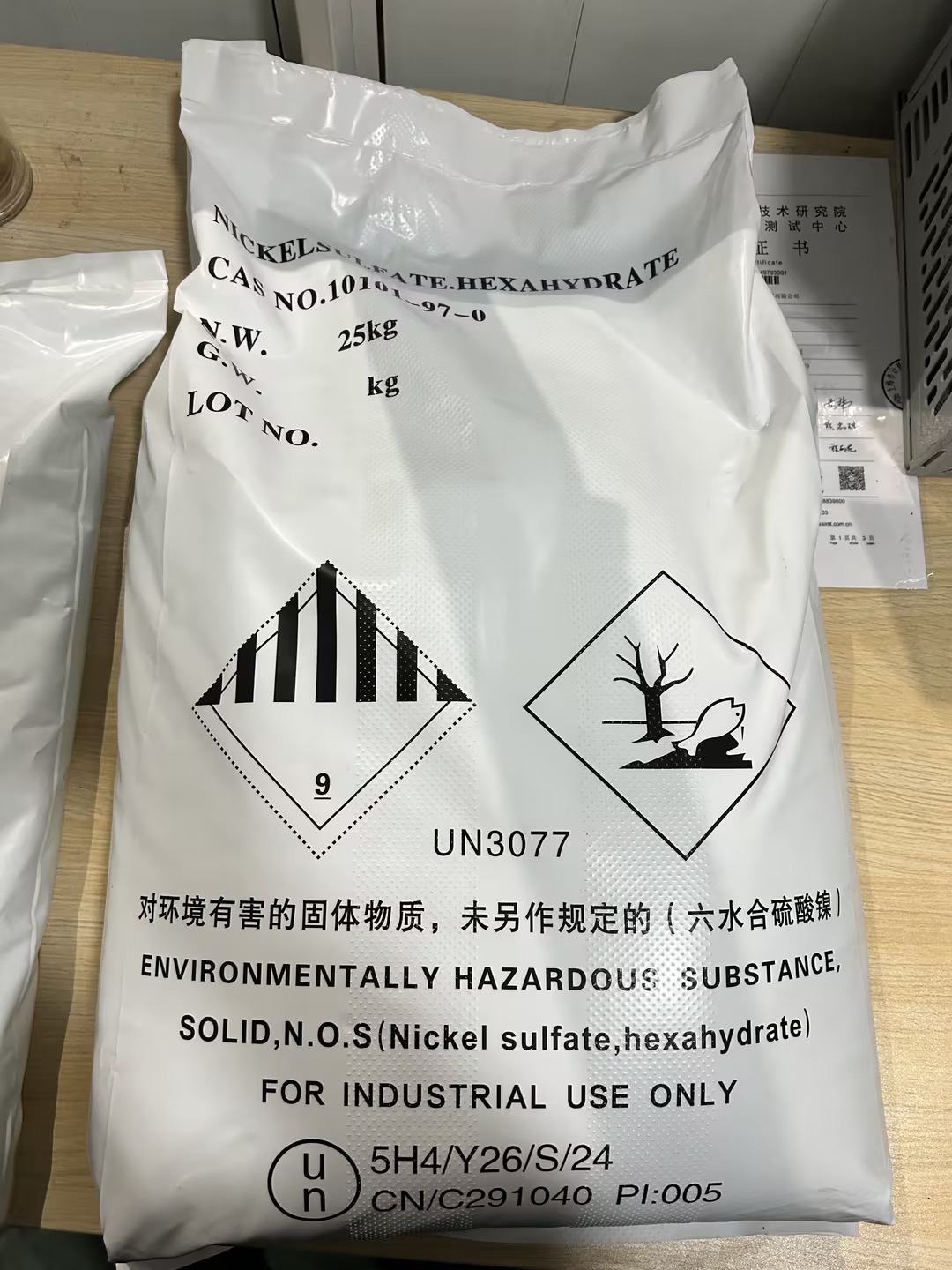
Choosing the right nickel bath chemistry goes beyond basic material science. It represents a critical operational decision balancing deposit performance, production speed, and chemical costs. Traditional Watts baths dominate general utility plating operations globally. They offer reliable and familiar results for everyday surface finishing applications. However, modern high-tech manufacturing demands highly specific mechanical properties. These strict specifications often exceed the capabilities of standard sulfate-based baths without excessive modification.
This guide evaluates both chemical solutions based on mechanical outcomes, operational scalability, and long-term business impact. We will explore how different molecular structures affect deposit quality, internal stress, and deposition speed. You will learn how to properly match the right chemical process to your engineering requirements. By understanding the distinct advantages of each system, you can effectively optimize line capacity, reduce component scrap rates, and confidently specify the best process for your next manufacturing project.
Key Takeaways
Performance: Nickel sulfamate delivers exceptionally low internal stress and high ductility; nickel sulfate provides moderate stress suitable for standard applications.
Speed & Throughput: Higher solubility of sulfamate allows for higher current densities and faster deposition rates compared to sulfate.
Cost Efficiency: Sulfate remains the most cost-effective option for decorative or general-purpose plating, whereas sulfamate's higher upfront chemical cost is justified in precision engineering (aerospace, electroforming).
Maintenance Risks: Sulfamate requires strict temperature control to prevent chemical breakdown, while sulfate baths are generally more robust and forgiving.
The Chemistry Behind the Plating: Core Process Differences
Understanding the fundamental behavior of any electroplating bath requires looking at its core chemistry. The molecular differences between sulfamate and sulfate compounds dictate every aspect of the plating line, from maximum metal concentration to electrical efficiency.
Solubility and Metal Concentration
The molecular structure of nickel sulfamate allows for significantly higher solubility in water than its sulfate counterpart. A standard sulfate bath usually reaches its practical solubility limit at around 75 to 90 grams of nickel metal per liter. Beyond this point, salts begin to crystallize out of the solution, especially at lower temperatures.
Conversely, sulfamate compounds dissolve much more readily. Operators can comfortably maintain nickel metal concentrations up to 180 grams per liter in a sulfamate system. This massive fundamental difference dictates the maximum operating parameters of the bath. Higher metal availability in the solution prevents metal depletion at the cathode boundary layer. This directly enables faster plating speeds and reduces the risk of burning the deposit.
Bath Composition
A standard Watts bath relies heavily on nickel sulfate, nickel chloride, and boric acid. The sulfate provides the bulk of the metal ions. The chloride promotes anode corrosion and bath conductivity. Boric acid acts as a crucial buffer to maintain a stable pH at the cathode surface.
A sulfamate bath relies on a different primary makeup. While both systems utilize essential electroplating nickel chemicals, a sulfamate bath replaces the sulfate completely with the sulfamate compound. Furthermore, sulfamate systems typically require specific anode types. Platers generally use active sulfur-depolarized anodes in sulfamate baths. These specialized anodes corrode evenly without requiring high chloride levels, which is vital because excess chlorides can increase internal stress.
Conductivity and Heat
Conductivity differences between the two baths impact energy usage during the electroplating cycle. Sulfate baths generally exhibit slightly better natural conductivity due to their higher chloride content. This can marginally reduce the voltage required to push a specific current through the bath.
However, sulfamate baths compensate for this through higher operating concentrations. The dense concentration of metal ions improves overall bath efficiency. Engineers must monitor heat generation carefully in both systems. Excessive electrical resistance generates heat, which can quickly push a bath out of its optimal temperature range. This heat management becomes especially critical in high-speed, high-current sulfamate operations.
![Electroplating process comparing nickel sulfamate and nickel sulfate parameters]()
Performance Metrics: Evaluating Deposit Quality
The true value of any plating chemistry lies in the final deposit. Engineers must evaluate how the chosen bath chemistry impacts the physical and mechanical properties of the finished component.
Achieving Low Stress Nickel Plating
Internal tensile stress represents one of the most critical failure points in electroplating. When a deposit forms with high tensile stress, it effectively pulls inward on itself. This creates a severe risk of peeling, blistering, or warping, particularly on thin, flexible, or highly machined substrates.
Achieving stable low stress nickel plating is the primary reason engineers turn away from traditional Watts baths. A standard sulfate deposit naturally develops high tensile stress. Platers must constantly add organic stress-reducing additives, like saccharin, to counteract this force. Unfortunately, these additives co-deposit sulfur into the plating, which lowers the deposit's heat resistance and ductility.
Sulfamate baths naturally produce a near-zero or slightly compressive stress deposit straight out of the tank. They achieve this without relying on heavy organic stress-reducing additives. A compressive deposit pushes outward slightly, which actively prevents cracking and improves the fatigue life of the underlying substrate.
Ductility and Machinability
Ductility measures a material's ability to deform under tensile stress without fracturing. Engineers compare the elongation properties of both deposits to determine their post-plating viability. Sulfate deposits, especially those heavily dosed with brighteners and stress relievers, tend to be relatively brittle. They offer limited elongation before micro-cracking occurs.
Sulfamate deposits remain highly ductile. They typically exhibit elongation values between 10% and 20%, depending on the exact bath parameters. This superior ductility allows manufacturers to perform post-plating mechanical operations safely. You can bend, crimp, coin, or machine sulfamate-plated parts without causing the nickel layer to fracture or flake off the substrate.
Deposition Speed and Current Density
Throughput advantage defines modern high-volume manufacturing. Sulfamate baths hold a massive advantage in deposition speed. Because the bath holds significantly more dissolved metal, it can handle much higher current densities.
Standard sulfate baths typically operate between 20 and 50 amps per square foot (ASF). Pushing them harder results in rough, burned deposits. Sulfamate baths easily operate between 50 and 150 ASF. In specialized, high-agitation roll-to-roll setups, they can even exceed 300 ASF. This capability cuts cycle times down dramatically for heavy build applications, allowing facilities to process more parts per shift.
Table: Typical Comparative Deposit Properties
| Property | Standard Watts (Sulfate) Bath | Standard Sulfamate Bath |
| Internal Stress | High Tensile (+100 to +200 MPa) | Low / Compressive (-5 to +20 MPa) |
| Ductility (Elongation) | Low to Moderate (5% - 10%) | High (10% - 20%) |
| Max Current Density | Moderate (~50 ASF) | High (Up to 150+ ASF) |
| Hardness (Vickers) | 150 - 250 HV | 170 - 230 HV |
Scalability and Business Impact
Selecting a bath chemistry involves evaluating more than just engineering specifications. Plant managers must analyze the broader business impact, balancing upfront material expenses against operational efficiency and line capacity.
Initial Chemical Investment
Standard nickel sulfate acts as a highly commoditized industrial chemical. As a primary nickel plating salt, sulfate is abundant and relatively cheap to procure per pound. Setting up a new 1,000-gallon Watts bath requires a significantly lower initial capital expenditure compared to an equivalent sulfamate tank.
Sulfamate concentrates undergo a more complex manufacturing process. This complexity drives up the initial purchase price of the chemistry. Facility managers must prepare for this higher upfront chemical investment when making up a new tank or replacing major drag-out losses.
Operational ROI of Sulfamate
Facilities should frame the higher chemical cost of sulfamate as a direct investment in throughput and quality control. Faster plating times mean higher line capacity. If a shop can plate a heavy build part in 30 minutes instead of 60 minutes, the daily output effectively doubles.
Furthermore, sulfamate baths drastically reduce scrap rates in high-value components. When processing expensive aerospace or medical parts, a single peeling failure due to high tensile stress can cost thousands of dollars. The near-zero stress properties of sulfamate act as an insurance policy. Fewer rejected parts lower the overall scrap rate, quickly justifying the premium price of the chemistry.
Energy and Additive Costs
Ongoing maintenance costs also factor into the business impact. Sulfamate baths require far fewer organic brighteners and stress-relievers than sulfate baths. This reduces the daily consumption of proprietary chemical additives.
Additionally, the highly efficient conductivity and metal availability of sulfamate offset some of the initial premium. Shops spend less time and money performing frequent carbon treatments to remove broken-down organic additives. Over a multi-year operational window, the reduced chemical maintenance and elevated throughput often make sulfamate the more economical choice for high-volume, heavy-build operations.
Application Mapping: Which Process Fits Your Spec?
Engineers must match the physical properties of the bath to the end-use environment of the product. Applying the wrong chemistry leads to premature field failures or unnecessary production bottlenecks.
When to Spec Nickel Sulfamate Plating
You should specify nickel sulfamate plating when mechanical integrity and deposit purity remain non-negotiable. Primary applications include:
Electroforming: In electroforming, the deposit itself becomes the final product. The nickel must build up heavily and eventually separate from the mandrel. Any internal stress will cause the electroform to warp or curl instantly upon separation. Sulfamate is the undisputed standard for electroforming optics, molds, and foil.
Aerospace and Defense Components: MRO (Maintenance, Repair, and Overhaul) facilities heavily rely on sulfamate to resize worn turbine shafts and engine components. High-fatigue environments demand ductile, stress-free deposits that will not fracture under intense vibration.
Printed Circuit Boards (PCBs) and Semiconductor Packaging: Electronic components undergo severe thermal shocks during soldering. The high ductility of sulfamate prevents the nickel barrier layer from cracking during thermal expansion.
When to Spec Nickel Sulfate Electroplating
Standard nickel sulfate electroplating remains the workhorse for applications where appearance and general protection matter most. Primary applications include:
Decorative Undercoats: Sulfate baths excel at building bright, leveling layers beneath decorative chrome, gold, or brass. The additives used in sulfate baths produce a brilliant mirror finish.
General Corrosion Protection: Automotive fasteners, hand tools, and consumer hardware utilize sulfate baths. These components require basic environmental protection without strict mechanical tolerances.
Bright Applications: Whenever extreme high brightness is prioritized over mechanical ductility, standard Watts baths deliver superior leveling aesthetics at a fraction of the cost.
Implementation Realities: Bath Maintenance and Operational Risks
Running a high-performance plating line requires skilled maintenance. Both systems demand regular analytical testing, but they present entirely different operational risks on the production floor.
Temperature Sensitivity (The Sulfamate Risk)
The single greatest operational risk of a sulfamate bath involves its temperature sensitivity. Platers must maintain precise thermal control at all times. If bath temperatures exceed approximately 140°F (60°C), the sulfamate radical begins to rapidly hydrolyze.
During hydrolysis, the sulfamate molecule breaks down into ammonium and sulfate ions. This chemical reaction is irreversible. The accumulation of ammonium acts as a permanent stress increaser in the bath. Once a sulfamate bath hydrolyzes severely, no amount of filtration or dummying will fix it. The deposit stress will spike, and the facility will likely have to dump and remake the entire expensive bath.
Anode Passivation
Proper anode maintenance dictates bath longevity. Operators must maintain precise chloride levels to help the nickel anodes dissolve efficiently into the solution. However, keeping chlorides too high increases deposit stress.
To balance this, sulfamate operations use active sulfur-depolarized anodes. These special anodes dissolve readily even in low-chloride environments. If a facility mistakenly uses standard pure nickel anodes in a low-chloride sulfamate bath, the anodes will quickly polarize and passivate. They will stop dissolving, the bath's metal concentration will plummet, and the pH will drop rapidly, ruining the plating cycle.
Filtration and Contamination Control
High-speed baths possess high sensitivity to metallic impurities. Copper, iron, and zinc drag-in will severely degrade the low-stress properties of the bath. Because sulfamate baths often plate highly engineered parts, contamination control remains paramount.
Facilities must implement aggressive continuous filtration. Platers must use 1-micron to 5-micron filter media, turning the entire bath volume over at least two to three times per hour. Furthermore, operators must perform periodic low-current density dummying. This electrolytic purification removes trace metallic impurities before they co-deposit onto critical customer parts.
Conclusion: Finalizing Your Decision
The chemical makeup you choose directly dictates your production limits. A traditional sulfate bath provides a robust, highly leveled, and economical finish for everyday applications. It withstands temperature fluctuations and operator errors better than specialized chemistries. However, its natural tensile stress and lower throughput create hard limits on advanced engineering projects.
Conversely, sulfamate unlocks the ability to electroform precision components, resize critical aerospace parts, and rapidly plate heavy builds without the risk of internal stress failures. It requires rigorous temperature control and a higher initial investment, but it delivers unmatched mechanical ductility and line speed.
Default to a sulfate process for cost-sensitive, decorative, and standard surface finishing. Escalate to a sulfamate process for high-speed, precision, and strict mechanical demands. Your next step should be auditing your current line performance. Analyze your daily scrap rates, cycle times, and reject codes. If tensile stress or slow plating speeds are causing production bottlenecks, it is time to upgrade. Consult with a qualified nickel sulfamate supplier to arrange a bath sample analysis or schedule a pilot run on your most challenging substrates.
FAQ
Q: Can I convert a nickel sulfate bath to a nickel sulfamate bath?
A: No, you cannot directly convert a sulfate bath into a sulfamate bath. The existing sulfate ions will permanently remain in the solution, interfering with the low-stress characteristics of the sulfamate chemistry. You must perform a completely fresh make-up in a thoroughly cleaned and leached tank to ensure proper mechanical properties.
Q: Why does my nickel sulfamate bath suddenly have high deposit stress?
A: Sudden high stress usually results from either organic contamination or temperature excursions. If the bath temperature recently exceeded 140°F (60°C), the sulfamate likely hydrolyzed into ammonium, permanently increasing stress. Alternatively, organic contaminants dragged in from poor cleaning stages can temporarily spike stress until removed via carbon treatment.
Q: Are the environmental and compliance requirements the same for both?
A: Generally, heavy metal compliance and wastewater restrictions on nickel apply equally to both baths. However, specific local effluent limits may dictate your choice. Sulfamate breakdown introduces ammonia and elevated sulfates into the rinse water, which may require additional targeted waste treatment protocols depending on your municipality.