Selecting the right chemical raw materials ultimately defines your final product quality. Procurement teams often struggle when evaluating various copper sulfate hydration levels. Selecting the right form of copper sulfate impacts formulation stability, freight costs, and overall operational efficiency. While both compounds deliver essential elemental copper, their distinct hydration levels dictate their physical behavior and commercial viability.
In this article, you will learn the exact chemical distinctions between monohydrate and pentahydrate formats. We will explore their unique physical properties and specialized handling requirements. Finally, you will discover actionable guidelines to help you choose the best option for your specific agricultural or industrial applications.
Understanding the Chemical Composition and Hydration
To grasp the differences between these two chemicals, we must first look at molecular structure. Copper sulfate exists in several states of hydration. The term "hydration" refers to water molecules chemically bound within the crystal lattice of the compound. These bound molecules do not make the powder wet. Instead, they form an integral part of the solid crystalline structure.
Copper Sulfate Pentahydrate has the chemical formula CuSO₄·5H₂O. One copper sulfate molecule binds directly to five water molecules. Because water carries mass, these extra molecules add significant weight to the compound. When you calculate the molar mass, this pentahydrate form yields approximately 25% elemental copper by weight. The remaining 75% consists of the sulfate radical and the bound water.
Conversely, Copper Sulfate Monohydrate carries the formula CuSO₄·H₂O. Here, only a single water molecule binds to the copper sulfate molecule. Removing four water molecules drastically reduces the overall molecular weight. Consequently, the elemental copper concentration rises. This monohydrate form delivers roughly 35% elemental copper by weight. This 10% difference in active ingredient concentration heavily influences purchasing decisions across large-scale manufacturing operations.
When exposed to extreme heat, both forms will lose their hydration entirely. They transform into anhydrous copper sulfate. However, anhydrous copper sulfate acts as a powerful desiccant. It aggressively pulls moisture from the surrounding air. Manufacturers rarely use the completely anhydrous form in standard agricultural settings because it remains highly unstable in humid environments.
Physical Properties, Appearance, and Handling
Chemical structure directly influences physical appearance. The difference in bound water creates entirely distinct visual profiles and handling characteristics for each compound.
The pentahydrate form is iconic. It forms large, vibrant blue crystals. Many industries refer to it as "blue vitriol" due to this striking coloration. The bright blue hue results directly from the complex formed between the copper ion and the five water molecules. In terms of texture, it resembles coarse sea salt or granulated sugar, depending on the specific milling process used.
The monohydrate form looks entirely different. Stripping away the majority of the water molecules alters the way the crystal absorbs light. It appears as a pale white or very light blue powder. Its texture feels much finer, resembling flour or talcum powder. This fine particle size provides exceptional mixing properties but requires different handling protocols to manage airborne dust.
Key Handling Considerations
Hygroscopicity: The monohydrate form readily absorbs moisture from the atmosphere. If left unsealed, it will slowly pull in water vapor and attempt to revert into the pentahydrate form. You must store it in tightly sealed, moisture-proof bags.
Flowability: The pentahydrate crystals flow easily through standard gravity-fed hoppers. The fine powder of the monohydrate can sometimes bridge or clump in hoppers if humidity levels spike.
Dissolution Rates: Because it has a much larger surface area, the fine monohydrate powder typically dissolves faster in agitation tanks than coarse pentahydrate crystals.
Dust Generation: Fine monohydrate powders generate more airborne particles during transfer. Warehouse personnel should wear appropriate respiratory protection when handling large volumes.
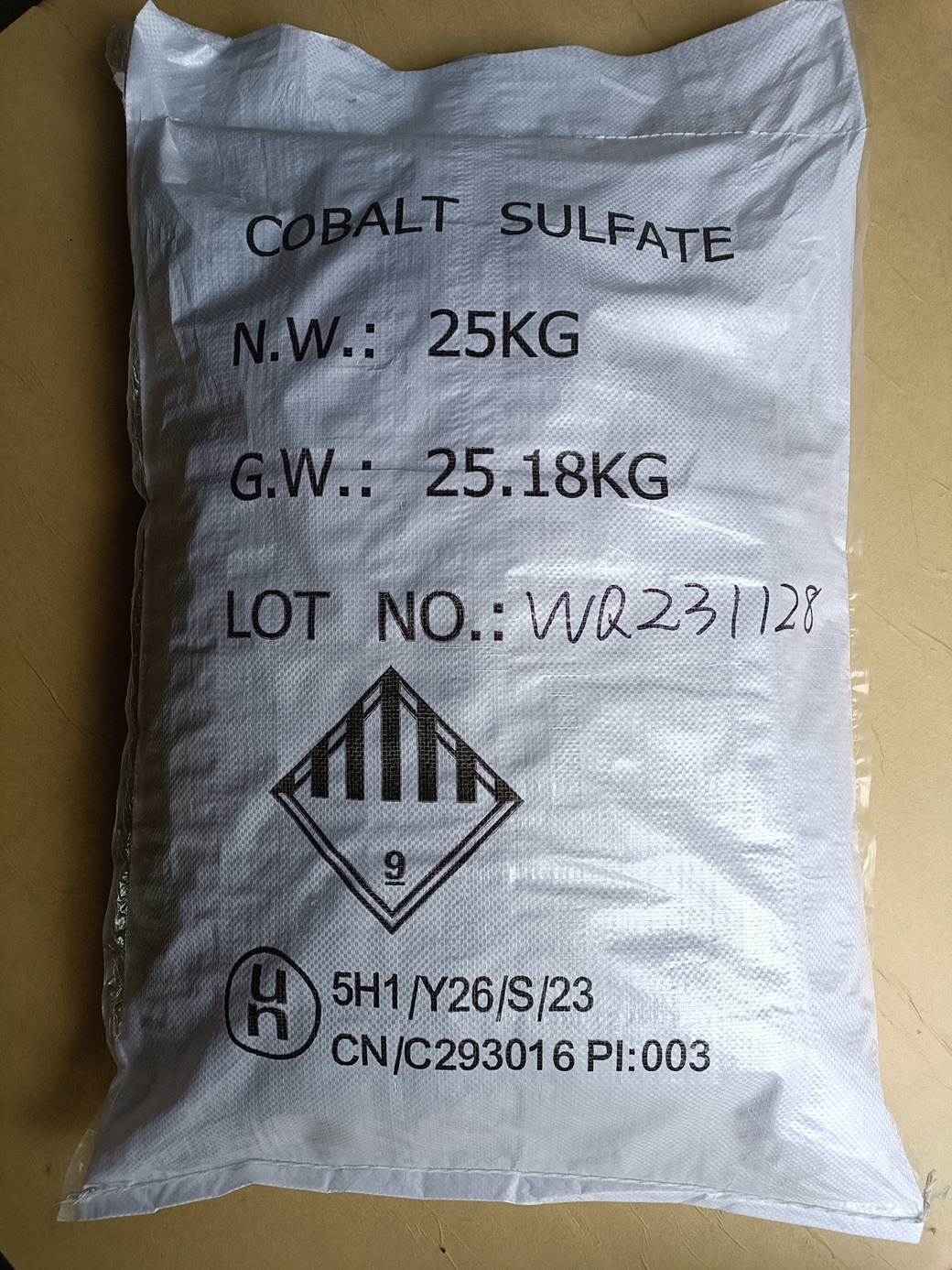
![Bag of chemical powder]()
Formulating for Animal Nutrition
Animal agriculture relies heavily on precise trace mineral supplementation. Swine, poultry, and ruminants require dietary copper to maintain basic physiological functions. Copper acts as a vital cofactor for enzymes involved in bone formation, iron transport, and immune system regulation. Both hydration forms serve safely as a reliable copper feed additive, but they perform differently during the manufacturing process.
When creating a nutritional premix, manufacturers blend trace minerals together with delicate vitamins. Vitamins A, D, and E remain highly sensitive to oxidation. Moisture acts as a catalyst for these destructive oxidative reactions. Free water inside a premix bag will rapidly degrade vitamin potency before the feed ever reaches the farm.
This is where the hydration level becomes critical. The pentahydrate form contains substantial bound water. Under certain temperature fluctuations during storage, some of this water can release into the surrounding premix matrix. This increases the overall water activity of the blend, jeopardizing vitamin stability.
For high-quality, long-shelf-life premixes, nutritionists often specify feed grade copper sulfate in the monohydrate form. Its lower water content drastically reduces the risk of unwanted moisture migration. By limiting free moisture, feed mills protect their expensive vitamin investments. Furthermore, the concentrated nature of the monohydrate means formulators need less physical space in the formula to hit their target copper levels. This frees up valuable "room" in the recipe for other essential nutrients or carrier materials.
Best Practices for Feed Milling
Store all trace minerals in climate-controlled environments to prevent caking prior to batching.
Use dedicated micro-ingredient dosing bins to accurately measure the highly concentrated monohydrate.
Add a high-quality anticaking agent to your formulas if you operate in regions experiencing extreme humidity.
Routinely test your finished feed to ensure uniform dispersion of the fine monohydrate powder throughout the batch.
Industrial and Agricultural Applications
Beyond animal nutrition, both hydration states serve crucial roles across diverse global industries. Their specific properties make them suitable for entirely different mechanical processes.
In the agricultural sector, farmers rely on copper as a potent fungicide and bactericide. The famous "Bordeaux mixture" utilizes dissolved copper sulfate combined with lime to protect vineyards and orchards from devastating fungal diseases. For these liquid applications, farmers generally prefer the pentahydrate form. The coarse crystals handle easily in outdoor environments. They resist blowing away in the wind during tank loading, unlike finer powders.
The mining industry consumes massive volumes of this chemical during froth flotation. When extracting lead, zinc, and gold ores, metallurgists use copper ions to activate the surface of specific minerals. This activation allows the valuable minerals to attach to bubbles and float to the surface for collection. Mining operations often utilize the pentahydrate form due to historical infrastructure design and ease of bulk handling via open conveyor belts.
Industrial electroplating relies on ultra-pure copper solutions to coat circuit boards and automotive parts. Electroplaters require highly concentrated solutions. The monohydrate form offers an advantage here. Because it contains 35% elemental copper, platers can achieve target bath concentrations using less total chemical weight. The rapid dissolution rate of the fine powder also minimizes mixing time during bath preparation.
Comparative Property Summary
Understanding the exact specifications helps procurement teams align their purchasing strategy with their engineering needs. The table below outlines the core differences you should review before making a final selection.
| Property | Monohydrate Form | Pentahydrate Form |
| Chemical Formula | CuSO₄·H₂O | CuSO₄·5H₂O |
| Elemental Copper Percentage | Approximately 35% | Approximately 25% |
| Visual Appearance | Pale white to light blue powder | Vibrant blue, coarse crystals |
| Moisture Sensitivity | Highly hygroscopic (absorbs water) | Stable under normal conditions |
| Primary Mixing Advantage | Rapid dissolution, low moisture contribution | Free-flowing, low dust generation |
Freight, Storage, and Logistical Efficiency
Logistics often dictate the final choice between these two chemicals. Transporting industrial materials across oceans or continents involves strict weight limitations. Every shipping container has a maximum payload capacity. Buyers must maximize the value of every metric ton they ship.
The monohydrate compound provides a distinct logistical advantage. Because it delivers roughly 10% more active elemental copper per metric ton, you ship significantly less "dead weight" in the form of bound water. For a feed mill requiring 1,000 kilograms of actual elemental copper, you would need to purchase and transport 4,000 kilograms of pentahydrate. To achieve the exact same copper yield, you would only need to ship about 2,850 kilograms of monohydrate. This massive reduction in freight weight frees up supply chain resources and reduces overall carbon emissions related to transport.
However, storage environments must dictate your final decision. The monohydrate form demands superior packaging. Suppliers typically ship it in specialized bags featuring heavy-duty polyethylene liners to block atmospheric humidity. If a forklift punctures a bag in a damp warehouse, the exposed powder will quickly absorb moisture, clump into hard blocks, and complicate your manufacturing process.
The pentahydrate crystals offer greater resilience in challenging warehouse conditions. They already hold their maximum complement of water molecules. They will not pull excess moisture from the air unless humidity reaches extreme, tropical levels. For outdoor storage yards or poorly ventilated sheds, the pentahydrate form remains the safer, more forgiving option.
How to Choose the Right Form for Your Operations
Selecting the optimal hydration level requires a careful audit of your facility, your formulation requirements, and your supply chain. Use the following framework to guide your procurement strategy.
Analyze Your Recipe Moisture Limits: Review your final product specifications. If you manufacture dry nutritional premixes containing sensitive vitamins, prioritize the monohydrate form to minimize free water activity.
Assess Material Handling Equipment: Walk through your production line. If your facility relies on gravity-fed bins prone to bridging, the free-flowing pentahydrate crystals will prevent costly production blockages. If you use positive displacement augers, the fine monohydrate powder will process smoothly.
Calculate Freight Constraints: Evaluate your geographic distance from the chemical manufacturer. If you import materials across long ocean trade routes, the higher copper density of the monohydrate will drastically reduce your freight expenses per unit of active ingredient.
Review Warehouse Environmental Controls: Place humidity monitors in your primary storage locations. If you lack robust climate control and operate in a humid region, the stable pentahydrate crystals will prevent expensive inventory loss due to caking.
Consult Safety Data Sheets: Review local occupational safety regulations regarding airborne dust limits. Ensure your ventilation systems can adequately capture the finer particulates generated by monohydrate powders before committing to large volumes.
Common Mistakes in Procurement and Formulation
Even experienced buyers make errors when transitioning between these two chemicals. A common mistake involves failing to adjust formulation software. Because the monohydrate is significantly more concentrated, you cannot swap the chemicals on a one-to-one basis. If a formulation software continues to pull pentahydrate inclusion rates while operators physically dump monohydrate into the mixer, the final batch will suffer from severe copper toxicity.
Another frequent error occurs during supplier qualification. Buyers often compare quotes based solely on the price per metric ton of the bulk powder. The pentahydrate will always appear cheaper per ton because you are buying a large percentage of water. You must calculate the price based on the specific cost per unit of elemental copper to achieve an accurate financial comparison.
Conclusion
Both hydration states of copper sulfate play irreplaceable roles in modern industry and agriculture. The pentahydrate form delivers reliable flowability, striking visual identification, and resilience in humid storage environments. The monohydrate form offers superior logistical efficiency, rapid dissolution, and critical moisture control for sensitive dry formulations.
To optimize your operations, begin by auditing your supply chain logistics to see if a higher-density chemical makes sense for your shipping routes. Next, collaborate with your nutritionists or lead chemists to determine exactly how much ambient moisture your specific formulations can tolerate. Finally, review your physical mixing equipment to ensure your dust extraction and hopper designs match the physical flow properties of your chosen compound. By aligning your chemical raw materials with your operational realities, you guarantee a more consistent, higher-quality final product.
FAQ
Q: Can I substitute monohydrate for pentahydrate directly in my recipe?
A: No. Monohydrate contains roughly 35% elemental copper, while pentahydrate contains roughly 25%. You must mathematically recalculate your inclusion rates. Substituting them on a one-to-one basis will cause severe copper toxicity or deficiency in your final product.
Q: Why does monohydrate turn blue when left open?
A: Monohydrate powder is highly hygroscopic. When exposed to ambient humidity, it absorbs water molecules from the air. As it chemically binds these new water molecules to its crystal lattice, it slowly transitions back into the blue pentahydrate structure.
Q: Is pentahydrate safe for animal feed?
A: Yes. It remains a widely approved and highly bioavailable trace mineral source. However, its higher moisture content can degrade sensitive vitamins in concentrated premixes, leading many feed mills to prefer the drier monohydrate option.
Q: Which form dissolves faster in water?
A: Monohydrate generally dissolves faster. Although pentahydrate is highly soluble, the fine powder of the monohydrate provides a vastly larger surface area. This increased surface area allows the surrounding water to break down the chemical bonds much more rapidly.